Last month, I visited a restaurant whose menu promised “Grandma’s Famous Meatloaf – A hearty, home-style comfort food masterpiece made with love and served with creamy mashed potatoes and garden-fresh green beans………….$18.99”
What arrived was a hockey puck of ground beef with instant mashed potatoes and canned green beans that had clearly been microwaved moments before.
The food wasn’t inedible, but it most definitely wasn’t what the menu promised. The disconnect between expectation and reality turned a mediocre meal into a disappointing experience and a disappointed customer into a negative Yelp reviewer.
Here’s what that restaurant didn’t understand: Your menu language isn’t just describing food, it’s making promises. Every word creates expectations in your customers’ minds. Meet those expectations, and you create satisfaction. Exceed them, and you create raving fans. Fall short, and you create complaints, negative reviews, and customers who never return.
Let’s decode what your menu language is really telling customers and make sure you’re promising only what you can deliver.
The Psychology of Menu Promises
When customers read your menu, their brains automatically create a movie of what their dining experience will be like. “Farm-fresh vegetables” makes them imagine their favorite Saturday morning farmer’s market. “Hand-cut fries” makes them picture someone in your kitchen carefully slicing potatoes.
These mental movies set expectations that your actual food must live up to. The bigger the promise, the higher the expectation and the greater the potential for disappointment.
High-Promise Language:
- Signature, famous, award-winning
- Handcrafted, artisanal, made from scratch
- The best, perfect, ultimate
- Grandmother’s recipe, traditional, authentic
Low-Promise Language:
- Classic, traditional, simple
- Fresh, seasonal, daily
- Grilled, roasted, sautéed
- House-made, prepared daily
The key is matching your promises to your capabilities.
What “Homemade” Really Means to Customers
When you write “homemade” on your menu, customers expect:
- Made in your kitchen, not delivered frozen
- Recipes that taste like someone’s actual home cooking
- Comfort food that feels familiar and nurturing
- Personal care and attention in preparation
- Ingredients you could buy at a grocery store
What Kills the “Homemade” Promise:
- Obviously processed ingredients
- Institutional flavors that taste like cafeteria food
- Presentation that’s too fancy or restaurant-like
- Consistency that’s too perfect (homemade has slight variations)
Better Alternatives if You Can’t Deliver:
- Comfort food classic (familiar without promising authenticity)
- Traditional recipe (classic preparation without claiming home origin)
The “Fresh” Expectation Trap
“Fresh” is the most overused and misunderstood word on restaurant menus. To customers, “fresh” means:
- Never frozen
- Recently prepared or picked
- Crisp, vibrant, full of life
- Superior to packaged or processed versions
Dangerous “Fresh” Promises:
- Fresh pasta (customers expect made-that-day, not dried pasta)
- Fresh herbs (they should be green and aromatic, not wilted)
- Fresh seafood (customers expect it wasn’t frozen)
- Fresh-baked bread (better be warm from your oven)
The Reality Check: If your “fresh herbs” are dried, your “fresh pasta” is from a box, or your “fresh-baked bread” is day-old, you’re breaking promises and creating disappointment.
Decoding Price Point Expectations
Your menu language must match your price points, or customers feel ripped off.
$8–12 Menu Language (Casual Expectations):
- Classic burger with fries
- Grilled chicken sandwich
- Fresh salad with house dressing
- Simple, straightforward descriptions
$15–25 Menu Language (Elevated Casual Expectations):
- Grass-fed beef burger with aged cheddar
- Free-range chicken with herb butter
- Mixed greens with house-made vinaigrette
- Quality indicators without going overboard
$25+ Menu Language (Fine Dining Expectations):
- Dry-aged ribeye with truffle compound butter
- Pan-seared duck breast with cherry gastrique
- Locally foraged mushrooms with microgreens
- Detailed preparation and premium ingredients
The Mismatch Problem: If you’re charging $25 but describing food like it’s $12, customers expect poor quality. If you’re charging $12 but describing food like it’s $25, customers expect fine dining and often end up disappointed.
The “Artisan” and “Craft” Communication Code
Words such as “artisan,” “craft,” and “handmade” send specific signals:
Customer Expectations:
- Individual attention to each item
- Skilled technique and expertise
- Small-batch production
- Higher quality ingredients
- Unique or distinctive results
- Personal pride and craftsmanship
What Breaks These Promises:
- Mass-produced uniformity
- Obviously machine-made items
- Generic flavors or presentations
- Rushing through preparation
- Lack of technique or skill
Safe Alternative Language:
- House-made (made in your restaurant)
- Prepared daily (fresh but not claiming artisan status)
- Our recipe (personal but not claiming craft mastery)
Regional and Cultural Expectation Landmines
Using regional or cultural descriptors creates very specific expectations:
Authentic Italian:
- Customers expect traditional techniques
- Italian ingredients where possible
- Flavors that match their Italian restaurant experiences
- Proper pronunciation and spelling of Italian terms
Southern Comfort Food:
- Generous, stick-to-your-ribs portions
- Rich, indulgent preparations
- Familiar dishes prepared traditionally
- Hospitality reflected in service style
California Fresh:
- Light, healthy preparations
- Local, seasonal ingredients
- Innovative combinations
- Clean, bright flavors
The Cultural Authenticity Test: If someone from that culture or region would be offended by your interpretation, don’t claim authenticity. Use “inspired by” or “our take on” instead.
The Time and Effort Communication Scale
Your menu language tells customers how much work goes into each dish:
High-Effort Signals:
- Slow-roasted, braised, smoked
- Hand-rolled, house-cured, aged
- Marinated overnight, dry-rubbed
Low-Effort Signals:
- Grilled, sautéed, tossed
- Fresh, simple, classic
- Served with, topped with
The Expectation Match: High-effort language justifies longer wait times and higher prices. Low-effort language sets expectations for quicker service and simpler preparations.
Ingredient Quality Communication
Every ingredient mentioned creates quality expectations:
Premium Signals:
- Specific brands (Niman Ranch beef)
- Geographic specificity (Maine lobster)
- Quality grades (Prime ribeye)
- Preparation methods (grass-fed, free-range)
Standard Signals:
- Generic descriptions (beef, lobster)
- Basic preparations (grilled, fried)
- No sourcing mentioned
Budget Signals:
- Processed versions (fish sticks vs. fresh fish)
- Generic vegetables (mixed vegetables)
- No quality descriptors
The Portion Size Expectation Game
Certain words signal portion expectations:
Large Portion Signals:
- Hearty, generous, loaded
- Platter, feast, family-style
- All-you-can-eat, bottomless
Standard Portion Signals:
- No size descriptors
- Simple preparation methods
- Standard menu formatting
Small/Refined Portion Signals:
- Delicate, petite, tasting
- Amuse-bouche, small plates, tapas
- Fine dining descriptive language
Service Style Expectations
Your menu language also sets service expectations:
Fast-Casual Expectations:
- Quick service
- Counter ordering
- Minimal table service
- Paper plates/casual presentation
Full-Service Expectations:
- Table service
- Server recommendations
- Multiple courses
- Professional presentation
Fine Dining Expectations:
- Highly knowledgeable servers
- Sommelier service
- Tasting menus
- White tablecloth presentation
Make sure your menu language matches your actual service style.
The Seasonal Expectation Challenge
“Seasonal” Promises:
- Ingredients that change with the time of year
- Limited availability
- Peak freshness and flavor
- Connection to local growing cycles
What Breaks Seasonal Promises:
- Same “seasonal” items available year-round
- Obviously frozen or preserved ingredients
- No actual seasonal variation in preparation
Safer Language:
- When available (suggests seasonal without promising)
- Chef’s selection (allows for substitutions)
- Market vegetables (depends on what’s available)
The Dietary Restriction Communication Code
Words that signal dietary accommodation create specific expectations:
Gluten-Free:
- Safe for celiac customers
- Separate preparation to avoid cross-contamination
- Knowledge about hidden gluten sources
Vegan:
- No animal products whatsoever
- Understanding of vegan concerns (not just vegetarian)
- Separate preparation areas
Heart-Healthy:
- Lower sodium, fat, or cholesterol
- Preparation methods that support health claims
- Portion sizes appropriate for health goals
Don’t use these terms unless you can deliver on the full expectation.
The Social Media Expectation Factor
In the Instagram and TikTok age, your menu language sets visual expectations too:
Instagram-Worthy Language:
- Towering, colorful, artistic
- Flambéed, table-side, dramatic
- Shareable, family-style, presentation
Standard Presentation Language:
- Focus on flavor rather than appearance
- Simple, classic descriptions
- No visual promises
Make sure your plating matches your language because customers will photograph everything (Hi! I’m customers!).
The Expectation Management Audit
Review each menu item and ask:
- What promises am I making with this language?
- Can my kitchen consistently deliver on these promises?
- Do my prices match the expectations I’m creating?
- Would a customer feel misled if reality doesn’t match the description?
- Am I setting myself up for failure with impossible standards?
The Smart Promise Strategy
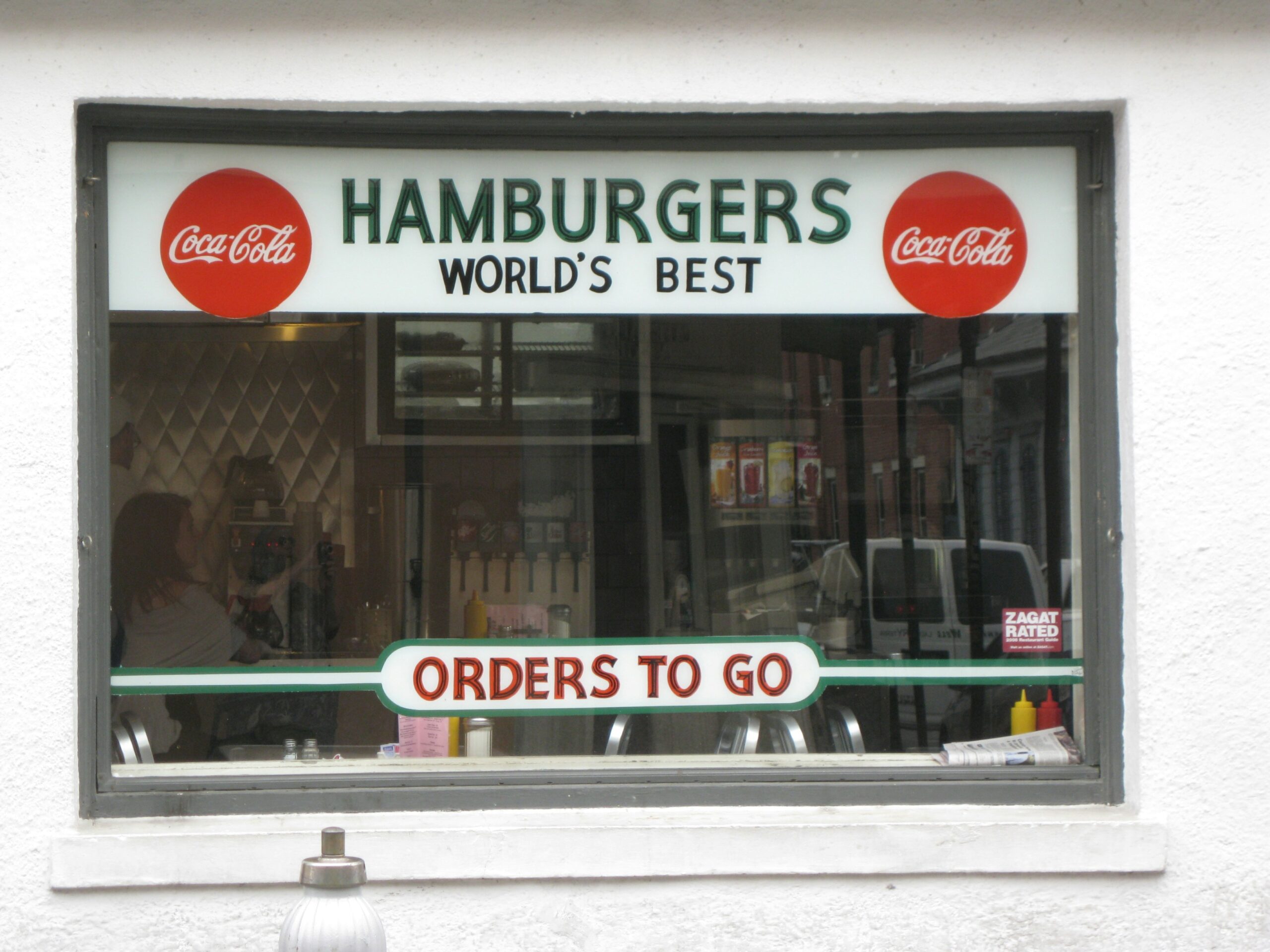
Under-Promise, Over-Deliver: Instead of “The World’s Best Burger,” try “Everyone’s crushing on our burger!” When it exceeds expectations, customers are delighted instead of disappointed.
Be Specific, Not Superlative: Instead of “Amazing pasta,” try “House-made fettuccine with sage butter.” Specific details create accurate expectations.
Match Language to Reality: If your food is good but not extraordinary, use good but not extraordinary language. Let the food surprise customers, not disappoint them.
The Loyalty Connection
Restaurants that consistently meet or exceed menu expectations build customer loyalty. Customers return because they trust you to deliver what you promise.
Restaurants that over-promise and under-deliver lose customers permanently. In the age of online reviews, disappointed customers don’t just leave, they warn others to stay away.
The Bottom Line
Your menu is a contract with your customers. Every word is a promise. Every description creates an expectation. Your job is to make sure you can deliver on every promise you make.
The most successful restaurants aren’t necessarily the ones with the best food, they’re the ones whose food consistently matches what their menu promises. They understand that managing expectations is just as important as managing flavor.
Before you describe your food as “world-class,” “authentic,” or “the best,” ask yourself: Can you prove it? If not, find language that accurately represents what you’re actually serving. Your customers will thank you for it with their loyalty, their positive reviews, and their repeat business.
Get your free menu audit today!