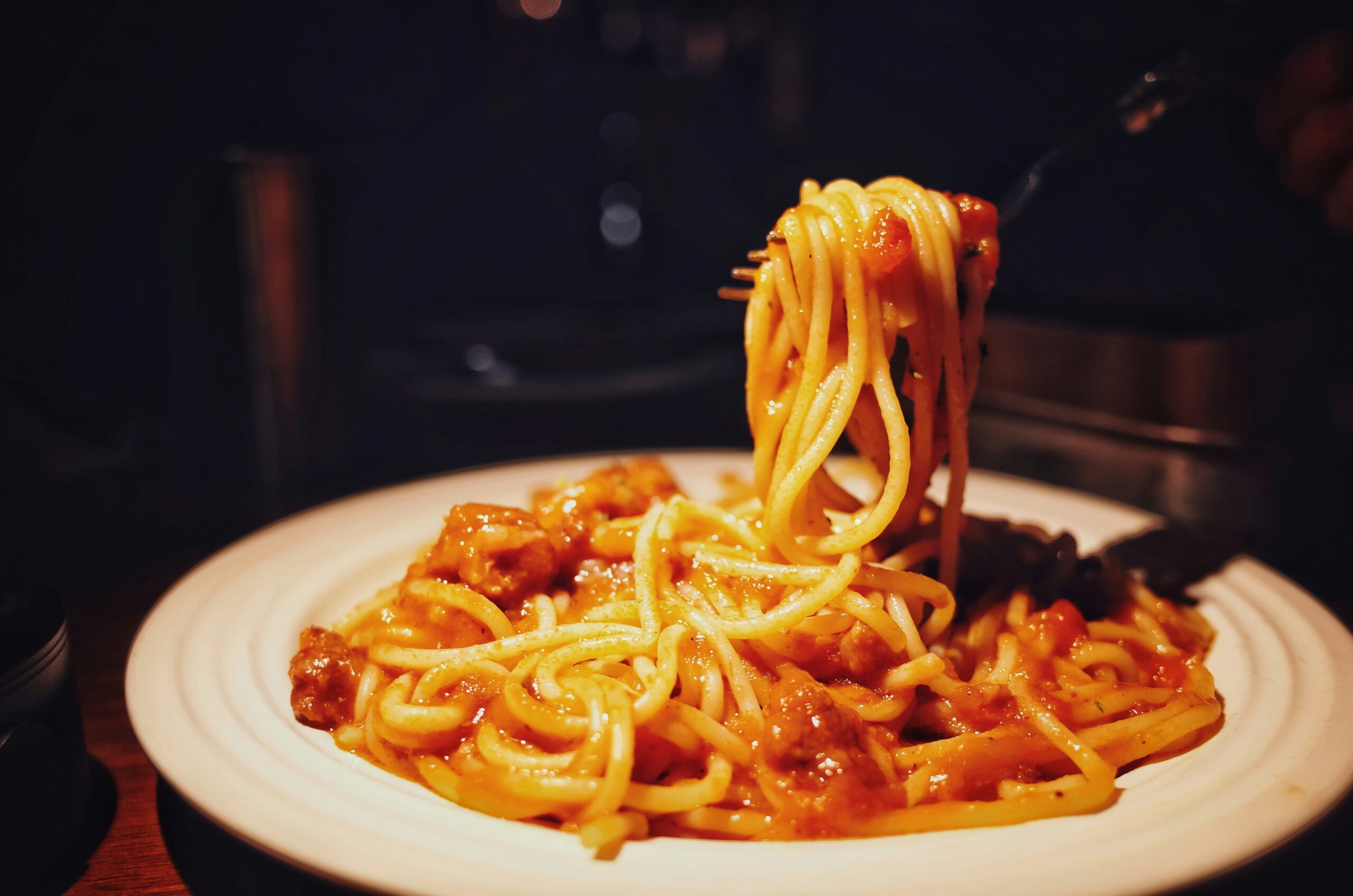
Here’s a restaurant reality check: two identical plates of spaghetti with marinara sauce. One menu calls it simply “Spaghetti with Tomato Sauce…… $12.” The other calls it “Rustic Tuscan Spaghetti with San Marzano Tomato Reduction 18.” Guess which one customers order more often?
Your menu isn’t just a bulleted list of what you serve. It should be a carefully crafted sales tool that can make the difference between a struggling restaurant and a thriving one. Every word you choose either adds value or steals it away. Every description either builds anticipation or kills it.
Let’s dive into the world of menu psychology and discover how the right words can transform your bottom line.
The Decoy Effect Can Be Your Secret Weapon
Ever wonder why so many restaurants have that one ridiculously expensive item on their menu? The $59 steak that nobody orders? That’s not an accident—it’s a strategic play.
Behavioral economists call this the “decoy effect,” and it’s happening in your restaurant whether you realize it or not. When customers see that $59 steak, suddenly the $32 salmon looks like a reasonable middle ground. Without the expensive decoy, that same salmon might feel overpriced.
Smart menu language amplifies this effect. Instead of just listing prices, you create a narrative hierarchy:
- Basic: Grilled Chicken $16
- Better: Herb-Roasted Free-Range Chicken $22
- Premium: Chef’s Signature Citrus-Infused Chicken with Wild Mushroom Risotto $32
Most customers will choose the middle option, feeling smart for avoiding the “expensive” dish while still treating themselves to something special.
The Power of Sensory Language
Here’s where many menus fail spectacularly: They describe food like they’re writing an inventory list instead of creating an experience.
Your brain is wired to respond to sensory language. When you read “crispy,” you almost hear the crunch. When you see “melty,” you can practically see the cheese pull. This isn’t marketing fluff; it’s neuroscience in action.
Weak Menu Language: Chicken sandwich with cheese and vegetables $14
Strong Menu Language: Grilled chicken breast topped with aged Vermont cheddar, crisp lettuce, and vine-ripened tomatoes, all nestled in a house-made brioche bun $14
The second description doesn’t simply tell you what’s in the sandwich, it makes you visualize it before you’ve even ordered. That’s the difference between a transaction and a craving.
The Geography of Flavor
Notice how that chicken description mentioned “Vermont cheddar” and “vine-ripened tomatoes”?
Customers perceive food as higher quality when it has a story, a place, a heritage. “Tomatoes” are generic. “Vine-ripened tomatoes” suggest care and timing. “Heirloom tomatoes from Smith Family Farm” creates a narrative that justifies premium pricing.
This works for every type of restaurant:
- Fast-casual: California avocados vs. avocado
- Fine dining: Wild Alaskan salmon vs. salmon
- Comfort food: Nonna’s secret recipe vs. homemade
The key is authenticity. Don’t claim your potatoes are from a farm down the road if they’re actually from a bag in your freezer. If you really do source high-quality ingredients, tell that story.
Numbers That Sell (and Numbers That Don’t)
Here’s a menu psychology tip that could change your revenue overnight: How you present prices matters more than the prices themselves.
Psychological Pricing Mistakes:
- Using dollar signs ($18.00) – they trigger payment pain
- Ending prices in .99 or .95 – makes your restaurant feel cheap
- Right-aligning prices – creates a grocery store effect
Revenue-Boosting Price Presentation:
- Remove dollar signs entirely (just 18)
- Use whole numbers when possible
- Embed prices in descriptions rather than creating price columns
Instead of: Grilled Salmon…………………….$24.99
Try: Grilled Atlantic salmon with lemon herb butter, roasted vegetables, and wild rice 24
The price becomes part of the description rather than a potentially painful financial decision.
The Menu Layout That Drives Orders
Your customers don’t read your menu, they scan it. Eye-tracking studies show that diners typically look at three spots on a menu page: the center, top right, and top left, in that order.
Smart restaurants use this “golden triangle” to feature their highest-profit items. But placement shouldn’t be the only focus. You also need to spend time on how those items are described.
High-Impact Menu Strategies
- Use descriptive subheadings that build anticipation
- Create “chef’s recommendations” or “signature dish” callouts or icons
- Limit choices to avoid choice overload (7–10 items per section max)
- Use white space to make important items stand out
Make Every Word Count
The most successful restaurants understand that menu language isn’t about being fancy, it’s about being intentional. Every word should serve a purpose: building desire, justifying price, or creating urgency.
Here’s your menu psychology audit:
- Read each dish description aloud. If it doesn’t make your stomach growl, rewrite it.
- Count your adjectives. Too few and it’s boring. Too many and it’s obnoxious. Aim for 2–3 per dish.
- Check for sensory language. Can customers hear, smell, or taste your descriptions?
- Verify your geography. Do main ingredients have a story worth telling? Tell it.
- Test your pricing psychology. Are you making it easy or hard for customers to say yes?
Your menu is working 24/7 to sell your food. Make sure every word is earning its keep.
The Bottom Line
The goal of menu psychology isn’t to trick your customers, it’s about helping them understand the value you’re already providing. When you describe your food with intention, care, and genuine appreciation for what you create, customers respond.
That $12 spaghetti was always worth more than $12 if you’re using high-quality ingredients and preparing it with skill. The right menu language simply helps customers understand that value.
Your menu is your silent salesperson. Make sure it’s telling the story your food deserves. Get your free menu audit today!